Enterprise AI is increasingly discussed as a coordination problem rather than a pure model problem. In healthcare operations, that framing is useful because documentation rarely fails only at the summary stage. It usually breaks earlier, when capture is inconsistent, review is delayed, and follow-up ownership is unclear.
That is why a practical documentation strategy starts with the input layer. If clinics want accountable AI-assisted workflows, they need a repeatable way to capture conversations and operational details before review and follow-up begin. A MIC06-first approach gives teams a dedicated standard for that step instead of relying on ad hoc note-taking or whatever microphone happens to be available.
ClinicMic, officially the HA-MIC06, is positioned as a professional AI voice device for clinic and enterprise scenarios. For healthcare teams, that positioning is important because documentation is not a side task. It is part of care coordination, compliance discipline, and daily operational throughput.
This article takes a practical view. The goal is not to chase headlines or make broad claims about AI transformation. The goal is to show how healthcare teams can use MIC06 to build a cleaner capture – review – follow-up workflow that is easier to deploy, easier to govern, and easier to improve over time.
Problem: Documentation breaks before AI can help
Many healthcare organizations talk about AI documentation as if the main decision is which model to use. In practice, frontline teams face a more basic issue: the workflow is fragmented. A clinician, coordinator, or operations lead may capture details on a phone, type partial notes later, and send follow-up tasks through separate channels. By the time someone reviews the record, key context may already be missing.
That fragmentation creates predictable operational problems. Notes are completed late. Action items are phrased inconsistently. Follow-up tasks depend on memory instead of a standard handoff. Even when teams use AI to summarize, the output quality still depends on the quality and consistency of the original capture.
Healthcare settings feel this pressure more than most industries because documentation is tied to real patient and operational consequences. A missed callback, an unclear owner, or an incomplete summary can create avoidable rework for front-desk staff, nurses, care coordinators, and managers. The issue is not only speed. It is accountability.
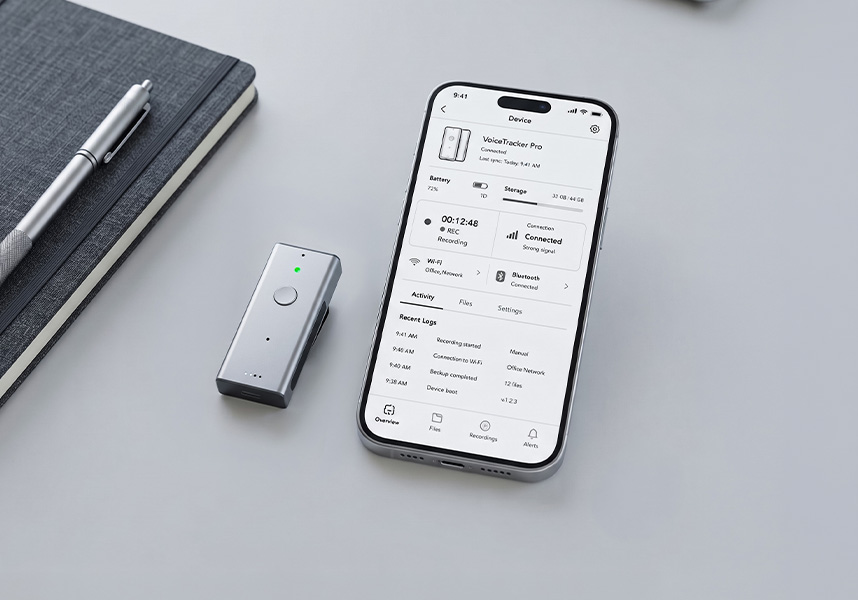
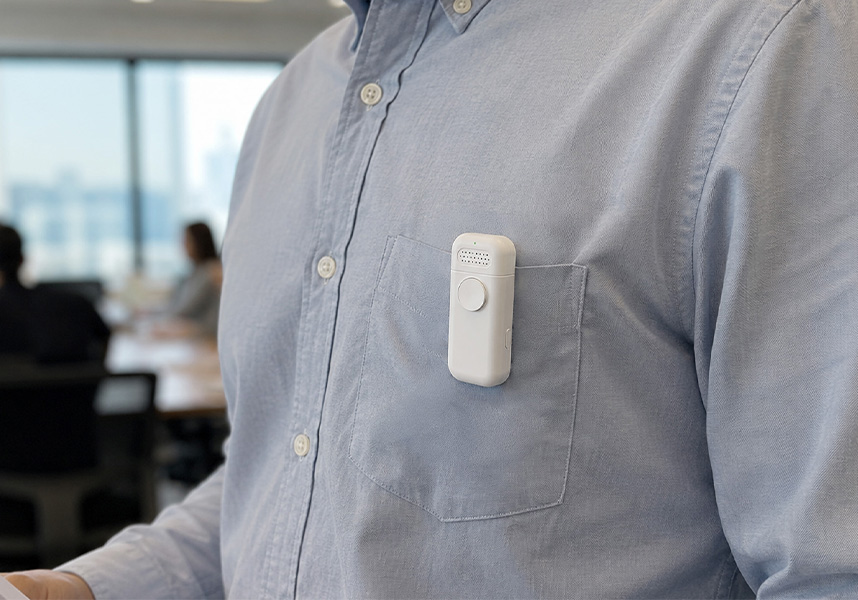
A MIC06-first workflow addresses that problem by setting one dedicated capture standard at the start. MIC06 uses a hybrid microphone array with condenser and omnidirectional microphones, plus AI noise reduction. Hearit positions it for clinic and enterprise scenarios, which aligns with teams that need a more deliberate documentation setup than a laptop microphone or improvised recording habit can provide.
Just as important, MIC06 is not framed as a generic accessory. It is a workflow device. When teams standardize on one capture method, they reduce variation at the point where documentation quality is most vulnerable. That makes review more predictable and follow-up easier to manage.
Trend: Enterprise AI now depends on coordination discipline
The current enterprise AI conversation has shifted toward coordination, and healthcare teams should pay attention to that shift. The real bottleneck is often not whether AI can generate a summary. It is whether the organization can create a dependable operating system around capture, review, and follow-up.
In clinics and healthcare operations groups, coordination means deciding who records, where the record enters the workflow, who reviews it, how action items are formatted, and when follow-up is closed. Without those decisions, AI output becomes another layer of inconsistency rather than a source of operational leverage.
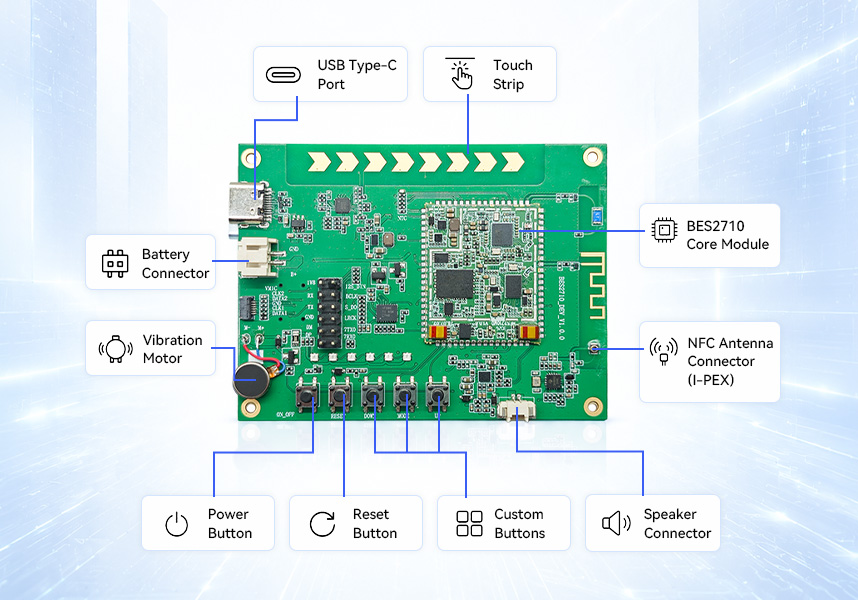
This is where MIC06 fits the trend in a practical way. The HA-MIC06 is designed as a professional AI voice device for clinic and enterprise scenarios. Its connectivity options include Bluetooth 5.3 and dual-band Wi-Fi, which supports deployment planning across different work environments. It also includes NFC support and gyroscope-based sensing, along with medical-grade material, all of which reinforce that this is a purpose-built device standard rather than an improvised workaround.
For healthcare leaders, the takeaway is straightforward: if AI is becoming a coordination problem, then the first operational decision is to reduce capture variability. A MIC06-first rollout gives teams one default starting point. That is easier to train, easier to document, and easier to audit than a bring-your-own-device approach.
The trend angle should not distract from the operational point. Healthcare teams do not need more abstract AI ambition. They need a workflow that can be adopted by real staff under time pressure. Standardized capture is one of the fastest ways to make downstream review and follow-up more reliable.
Workflow: Capture, review, and follow-up with MIC06 as the default
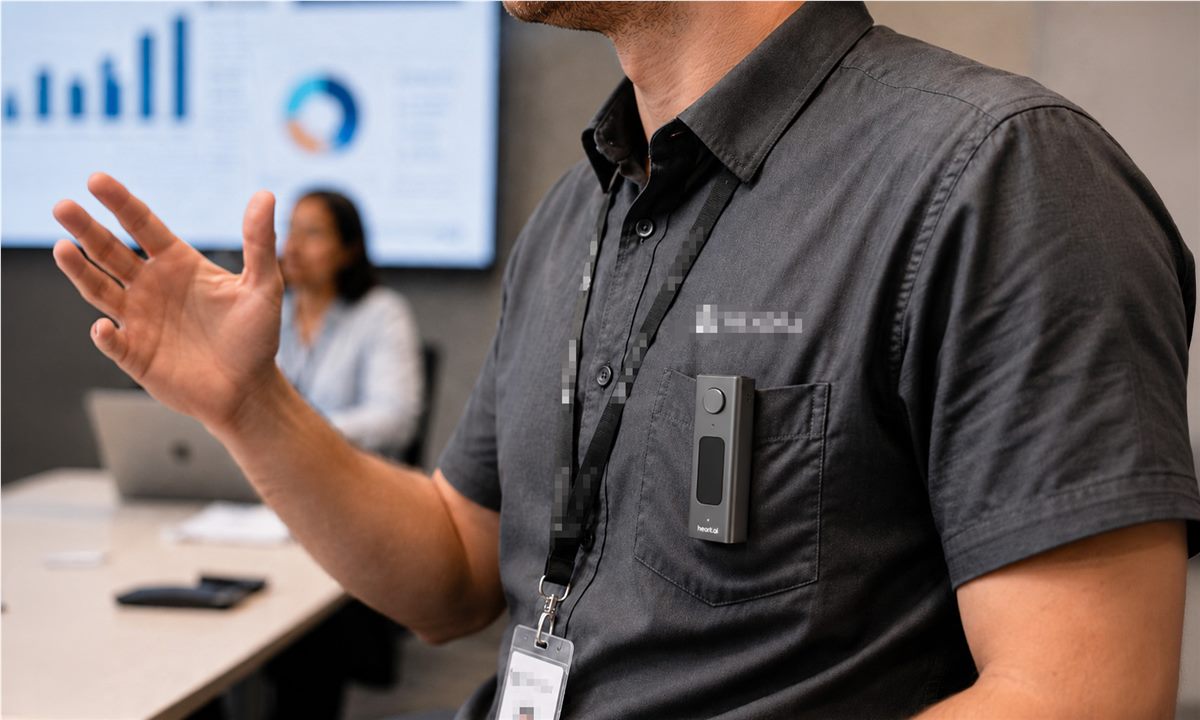
The most effective way to deploy MIC06 is to define a simple workflow before broad rollout. Start with capture. Assign MIC06 as the default device for one recurring documentation-heavy process, such as care coordination calls, intake discussions, case management reviews, or internal clinic operations meetings. The key is consistency. If teams switch devices and habits every day, the workflow will not stabilize.
During capture, the objective is not to record everything without structure. The objective is to create a dependable input for review. Teams should pair MIC06 with a standard naming convention and a clear owner for each session. That owner is responsible for moving the captured material into the review queue on the same day.
The second stage is review. This is where many organizations lose momentum because they treat review as optional cleanup. Instead, make review a defined operational step. Use one standard summary template with sections for context, decisions, action items, owner, and due date. Keep the format stable across the pilot so managers can compare outputs and identify where the workflow is breaking.
The third stage is follow-up. Every reviewed note should produce explicit next actions, not just a narrative summary. That means assigning owners, dates, and closure criteria. If a note does not lead to a clear handoff, the workflow has not finished. This is the discipline that turns captured audio into accountable operations.
MIC06 supports this workflow because it gives teams a dedicated capture standard from the start. Instead of debating whether a phone, laptop, or handwritten notes are good enough in each situation, operations leaders can define one default path. That reduces training friction and shortens the time from pilot design to real usage.
For enterprise documentation teams, this also improves governance. A standard device, a standard review template, and a standard follow-up format create a workflow that can be measured. Once the process is measurable, it can be improved. That is the practical bridge between AI interest and operational value.
Use Cases and CTA: Start with one workflow and measure execution
The strongest use cases for MIC06 are recurring workflows where documentation quality directly affects coordination. One example is care coordination calls that generate multiple follow-up tasks across staff roles. Another is intake or eligibility discussions where details need to be captured clearly and reviewed quickly. A third is internal clinic huddles or operations meetings where decisions are made fast but often documented unevenly.
In each case, the value is not simply having a recording. The value is creating a repeatable path from capture to review to follow-up. MIC06 helps teams establish that path with a dedicated device standard for clinic and enterprise scenarios. For healthcare operations leaders, that is often a more practical deployment choice than trying to build a documentation process around inconsistent hardware habits.
Keep the rollout narrow at first. Do not launch across every department at once. Choose one workflow with frequent volume, clear owners, and visible follow-up needs. Train the participating team on when to use MIC06, where reviewed notes should live, and how action items must be written. Small operational rules are what make adoption stick.
Recommend a focused two- to four-week pilot on one recurring documentation-heavy workflow. Set MIC06 as the default device, use one standard summary and owner-and-date template, and review note completion timeliness, action-item clarity, and follow-up closure consistency each week.